What Makes a Shilajit Product Worth Buying?
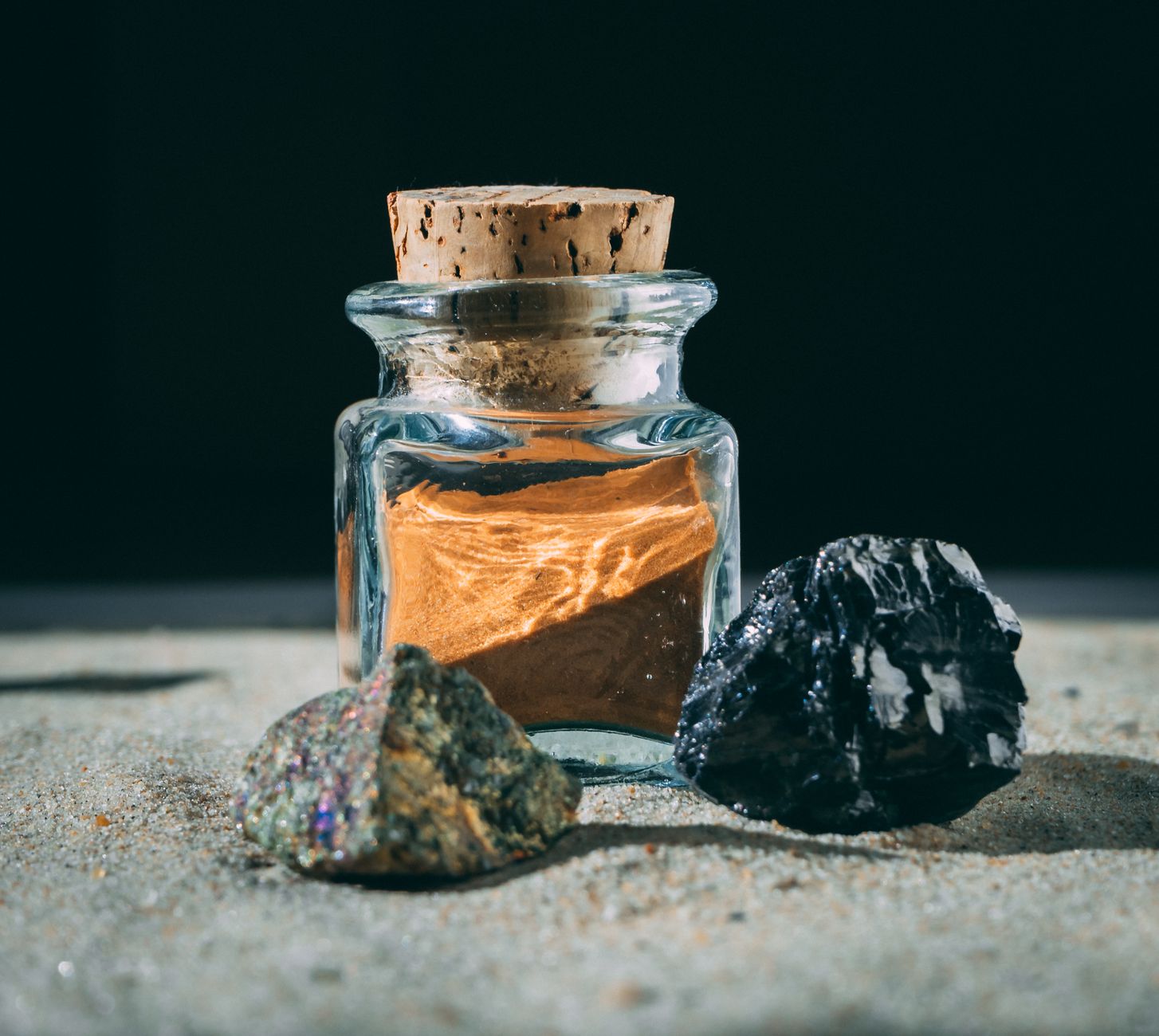
A shilajit product is worth buying when it delivers verified fulvic acid content, passes third-party heavy-metal testing, and comes from a supplier who can prove where and how it was harvested. Everything else - the jar, the label, the marketing - is secondary. In the United States, where bulk shilajit supplements are sold through dozens of channels, the difference between a product that works and one that sits on a shelf comes down to three things: purity, potency, and proof. This article breaks down each factor, shows you what to look for on a certificate of analysis, and explains how to buy shilajit in bulk without overpaying or compromising on quality.
The Short Answer: Purity, Potency, and Proof
Purity means no heavy metals, no fillers, and no solvents left over from processing. Potency means the fulvic acid and dibenzo-α-pyrones (DBPs) are present at levels that match the label. Proof means a third-party lab report you can actually read and verify. A shilajit product that fails any one of these three is not worth buying, no matter how nice the packaging looks.
We have seen jars sold as "pure Himalayan shilajit" that contained less than 15% fulvic acid - barely enough to matter. We have also seen resins that tested clean but were cut with beeswax or charcoal to stretch the weight. Both problems are avoidable if you know what questions to ask and what documents to request.
For businesses that buy in volume, the stakes are higher. A single bad batch can damage your brand's reputation and trigger returns. That is why we built Bulk Shilajit Supplements USA across the United States around full transparency: every lot ships with a certificate of analysis, and we welcome customer-requested retesting.
Why Source Location and Altitude Matter
Shilajit is a mineral-rich resin that seeps from rock formations in high-altitude mountain ranges, most notably the Himalayas, the Altai, and the Caucasus. Altitude matters because the resin's composition changes with the geology and climate of the region. Himalayan shilajit from elevations above 16,000 feet tends to have higher fulvic acid content and a more complex mineral profile than resin collected at lower elevations.
But altitude alone is not a guarantee. The same mountain range can produce good and bad material depending on how it is harvested. Resin scraped from exposed rock faces during peak summer heat is often cleaner than resin collected from lower, dustier areas. Reputable suppliers track the harvest season and location for every batch.
If you are sourcing for a supplement brand, ask for the GPS coordinates or at least the district of harvest. A supplier who cannot tell you where the resin came from is a supplier who cannot guarantee consistency. For businesses that need a reliable bulk shilajit supplier, this traceability is non-negotiable.
How to Read a Shilajit Certificate of Analysis
A shilajit certificate of analysis is a lab report that shows exactly what is in the product and what is not. The best ones are issued by ISO 17025-accredited labs and include the batch number, test date, and the specific methods used. If a supplier cannot provide a COA for the exact lot you are buying, walk away.
Here is what to look for on a COA:
- Heavy metals: Lead, arsenic, cadmium, and mercury should be below the limits set by the FDA and California Proposition 65. For lead, that means under 0.5 ppm in many cases.
- Microbiological tests: Total plate count, yeast, mold, E. coli, and salmonella should all be absent or within acceptable ranges.
- Fulvic acid content: This should be expressed as a percentage. High-quality shilajit typically ranges from 60% to 85% fulvic acid by weight.
- Moisture content: Too much moisture can lead to mold; too little can make the resin brittle. A range of 10-20% is common.
- DBP content: Dibenzo-α-pyrones are the active compounds tied to many of shilajit's benefits. Some labs report them separately.
We provide a full shilajit certificate of analysis with every bulk order, and we encourage buyers to send samples to their own labs for verification. If a supplier resists third-party testing, that is a red flag.
Fulvic Acid and Mineral Content: What the Numbers Mean
Fulvic acid is the primary active component in shilajit. It is a natural compound that helps transport minerals and nutrients into cells, and it is one of the reasons shilajit has been used for centuries in Ayurvedic medicine. When you buy shilajit, you are paying for fulvic acid content - so the percentage matters.
Low-end products often contain 20-40% fulvic acid. Mid-range products land between 40% and 60%. Premium shilajit, like the resin we source for our wholesale shilajit resin, typically tests between 60% and 85%. The higher the percentage, the less you need to use per serving, which affects your cost per dose.
Mineral content is another marker. Shilajit contains over 80 trace minerals, including iron, copper, zinc, and magnesium. However, the exact mineral profile varies by source. A COA that lists a full mineral panel is a sign of a thorough supplier. If the COA only shows fulvic acid and nothing else, ask for a more complete report.
Packaging, Storage, and Shelf Life
Shilajit resin is sensitive to heat, light, and moisture. The best packaging is dark glass or food-grade HDPE with an airtight seal. Avoid products sold in clear plastic jars or thin pouches - they let in light and oxygen, which degrade the resin over time.
Shelf life for pure resin is typically 2-3 years if stored in a cool, dark place. Once opened, it should be kept tightly closed and away from direct sunlight. If you are buying in bulk, ask about the production date and the expected shelf life. A supplier who ships fresh batches is better than one who sells old stock.
For businesses that need custom packaging, we offer custom shilajit packaging options, including private label jars and bulk drums. Proper packaging protects the product and reinforces your brand's quality story.
What Does Shilajit Cost in the USA in 2026?
Retail shilajit in the United States ranges from $30 to $120 for a 30-gram jar, depending on purity and brand. Bulk pricing is different. When you buy 1 kilogram or more from a shilajit wholesale supplier usa, the cost per gram drops significantly - often to $2-$6 per gram for high-grade resin, compared to $1-$4 per gram for lower-grade material.
In 2026, we see three tiers in the bulk market:
- Economy: $1.50-$3.00 per gram. Fulvic acid 20-40%. Suitable for low-cost capsules or gummies where shilajit is a minor ingredient.
- Standard: $3.00-$5.00 per gram. Fulvic acid 40-60%. Good for general supplements and tinctures.
- Premium: $5.00-$8.00 per gram. Fulvic acid 60-85%. Used in high-end brands and clinical formulations.
These prices are for bulk orders of 1 kg or more. Smaller quantities cost more per gram. Shipping within the USA is typically $20-$50 for a 1 kg order, depending on the carrier and speed. We quote shilajit wholesale pricing based on volume, so the more you buy, the better the rate.
Common Mistakes When Buying Shilajit
Even experienced buyers make mistakes. Here are the ones we see most often:
- Trusting the label without a COA. Anyone can print "100% pure" on a jar. Only a lab report proves it.
- Buying on price alone. The cheapest shilajit is usually cut with fillers or harvested from low-quality sources. You get what you pay for.
- Ignoring heavy metal testing. Shilajit naturally contains trace metals. Without testing, you risk selling a product that exceeds safety limits.
- Not checking the fulvic acid percentage. A product with 20% fulvic acid is not the same as one with 70%. If the label does not state the percentage, ask.
- Overlooking storage conditions. Resin that has been sitting in a hot warehouse for months may have degraded. Ask about storage and shipping practices.
We have helped many brands avoid these pitfalls by providing full documentation and samples before they commit to a shilajit bulk orders contract.
When to Call a Professional
If you are sourcing shilajit for a supplement brand, a retail chain, or an online store, you need a supplier who understands the regulatory landscape and can meet your volume requirements. That is where we come in. Tiger Shilajit works with businesses across the United States to supply bulk shilajit that meets quality standards and arrives on time.
We handle everything from sample requests to full-scale production, and we can white-label or private-label the product for your brand. If you are tired of inconsistent quality and want a supplier who treats your business like a partnership, give us a call. We will walk you through our inventory, share lab reports, and help you choose the right grade for your needs.
Frequently Asked Questions
How can I tell if shilajit is pure?
Check for a third-party certificate of analysis. Pure shilajit should have fulvic acid content above 60%, heavy metals below FDA limits, and no fillers or additives. If the supplier cannot provide a COA, assume the product is not pure.
What is the best form of shilajit to buy in bulk?
Resin is the most versatile and cost-effective form for bulk buyers. It has a longer shelf life than powder and can be used in capsules, tinctures, or gummies. Powder is easier to blend but may clump over time. Choose based on your production process.
How much does bulk shilajit cost in the USA?
In 2026, bulk shilajit ranges from $1.50 to $8.00 per gram depending on grade and volume. Premium resin with 60-85% fulvic acid costs $5-$8 per gram. Economy grades start around $1.50 per gram. Shipping is extra.
Do you ship shilajit across the United States?
Yes. We ship to all 50 states from our distribution points. Most orders arrive within 3-7 business days. We provide tracking and handle customs for international shipments to US-based businesses.
Can I get a sample before placing a bulk order?
Absolutely. We offer samples of our resin and powder so you can test purity and potency before committing. Sample costs are credited toward your first bulk order. Contact us to request a sample kit.
Get Help with Bulk Shilajit Supplements USA in the United States
Whether you are launching a new supplement line or restocking your store, Tiger Shilajit is ready to supply you with high-quality bulk shilajit. We serve businesses across the United States with transparent pricing, full lab documentation, and reliable shipping.
Call us today at +92 313 5806455 to discuss your requirements and get a quote. Let's build a supply chain you can trust.
Frequently asked questions
How can I tell if shilajit is pure?
Check for a third-party certificate of analysis. Pure shilajit should have fulvic acid content above 60%, heavy metals below FDA limits, and no fillers or additives. If the supplier cannot provide a COA, assume the product is not pure.
What is the best form of shilajit to buy in bulk?
Resin is the most versatile and cost-effective form for bulk buyers. It has a longer shelf life than powder and can be used in capsules, tinctures, or gummies. Powder is easier to blend but may clump over time. Choose based on your production process.
How much does bulk shilajit cost in the USA?
In 2026, bulk shilajit ranges from $1.50 to $8.00 per gram depending on grade and volume. Premium resin with 60-85% fulvic acid costs $5-$8 per gram. Economy grades start around $1.50 per gram. Shipping is extra.
Do you ship shilajit across the United States?
Yes. We ship to all 50 states from our distribution points. Most orders arrive within 3-7 business days. We provide tracking and handle customs for international shipments to US-based businesses.
Can I get a sample before placing a bulk order?
Absolutely. We offer samples of our resin and powder so you can test purity and potency before committing. Sample costs are credited toward your first bulk order. Contact us to request a sample kit.