Shilajit Wholesale Pricing: What Affects Bulk Costs?
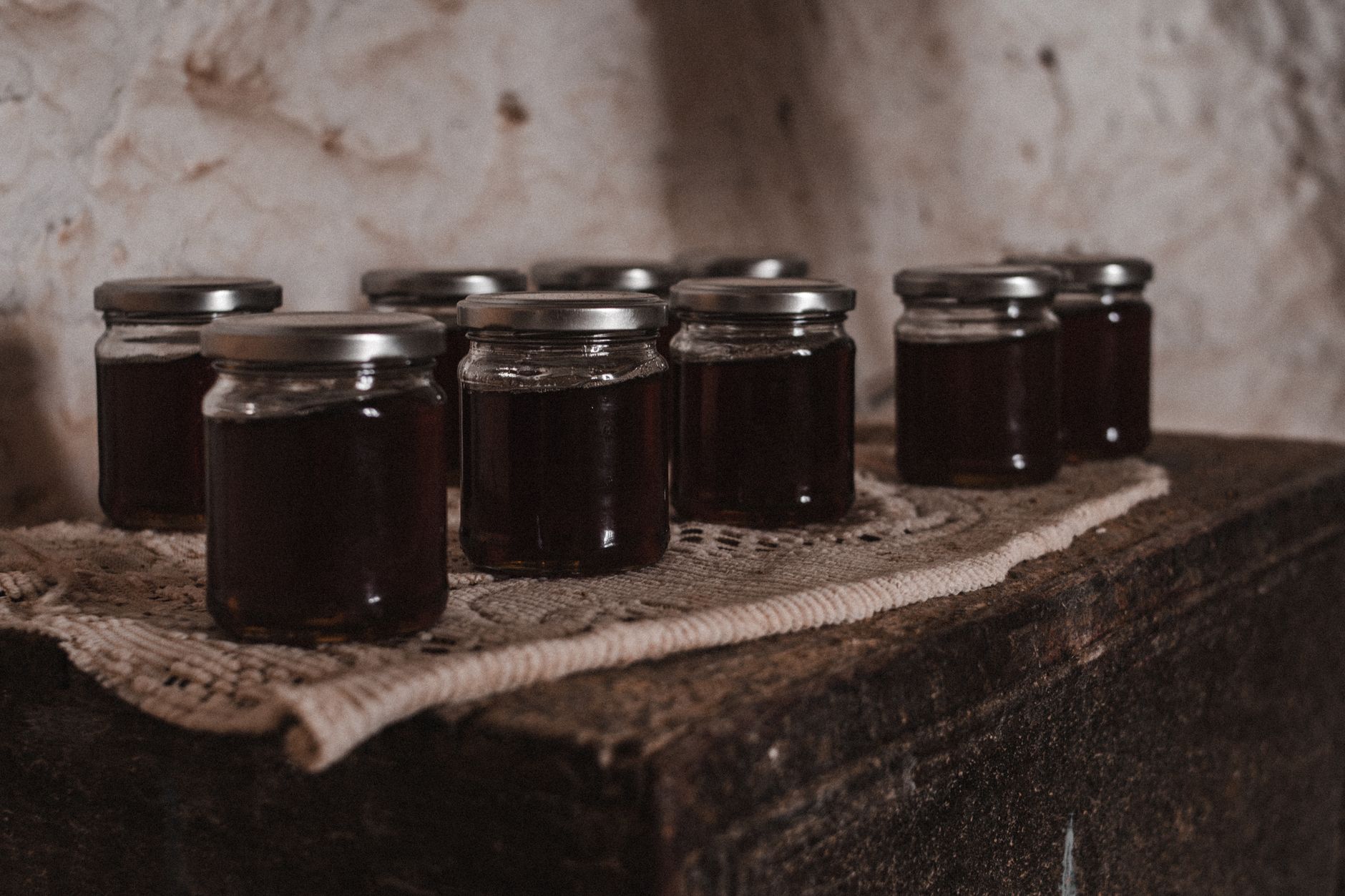
Shilajit wholesale pricing is the per-kilogram cost a buyer pays when purchasing shilajit in bulk for resale, manufacturing, or private label. In the United States, that cost typically lands between $120 and $480 per kilo in 2026, depending on purity, testing, packaging, and order volume. This guide breaks down each factor so you can see exactly where your money goes and how to negotiate a fair bulk rate.
We work with supplement brands, retailers, and distributors across the country, and the same questions come up every week. Why does one supplier quote $150 per kilo and another $400? What changes when you order 50 kilos instead of 5? Below, we walk through the real cost drivers behind Bulk Shilajit Supplements USA across the United States and what you should expect to pay.
What Actually Drives Shilajit Wholesale Pricing
Shilajit wholesale pricing is driven by four core factors: raw material purity, third-party testing, packaging format, and order volume. Each one adds a layer of cost that a supplier either absorbs or passes on to you. Understanding them lets you compare quotes apples to apples.
Raw material purity is the biggest swing factor. Shilajit harvested from high-altitude Himalayan rock at 16,000-18,000 feet contains a higher fulvic acid and mineral content than low-grade material scraped from lower elevations. That purity costs more at the source, and the difference shows up in your per-kilo price. A supplier selling resin at $120 per kilo is almost certainly blending or diluting. A pure resin with 60%+ fulvic acid will start closer to $220.
Testing is the second driver. Every batch we ship comes with a shilajit certificate of analysis from an independent lab. That test covers heavy metals (lead, arsenic, mercury, cadmium), microbials, and fulvic acid content. Lab testing adds $40-$80 per batch, but it is non-negotiable if you sell in the US. Retailers and Amazon sellers will not touch a product without it.
Packaging format matters more than most buyers expect. Bulk resin in food-grade drums costs less per kilo than pre-filled jars or capsules. If you need custom shilajit packaging with your brand label, expect to add $0.80-$2.50 per unit depending on jar size and label complexity. That cost is separate from the raw material price.
Order volume is the final lever. Most suppliers tier pricing at 5 kg, 25 kg, 50 kg, and 100 kg. The jump from 5 kg to 25 kg often cuts your per-kilo cost by 15-20%. Going from 25 kg to 100 kg can save another 10-15%. If you are a shilajit distributor usa buying pallets at a time, you should be at the bottom of the price curve.
How Purity and Fulvic Acid Content Move the Price
Fulvic acid percentage is the single clearest indicator of shilajit quality, and it directly sets the floor on wholesale pricing. Resin testing at 40% fulvic acid might wholesale for $140-$180 per kilo. Resin at 60-70% fulvic acid commands $260-$380 per kilo. The spread is that wide because pure, high-fulvic resin is harder to source and yields less finished product per pound of raw rock.
We source from high-altitude seams in the Himalayas and test every batch before it leaves the facility. That means we reject material that other suppliers would blend and sell. The rejection rate is real - roughly 1 in 5 batches fails our heavy metals or fulvic acid threshold. Those rejected batches never reach a US buyer, but they do explain why cheap shilajit is cheap.
If you are formulating a shilajit for supplement brands, you need to know your fulvic acid target before you request quotes. A brand selling a premium immune-support capsule will want 60%+ fulvic acid. A brand selling a budget powder blend might accept 40%. Tell your supplier the target upfront and the pricing conversation gets much shorter.
Moisture content also affects price. Resin with 15-20% moisture is stable and easy to handle. Resin above 25% moisture is heavier, which means you are paying for water. Always ask for moisture content on the COA. A 5% moisture difference on a 50 kg order is 2.5 kg of water you paid full price for.
Testing, Certificates, and Compliance Costs
Third-party testing is the line item most buyers underestimate. In the US, a third party tested shilajit product is not a luxury - it is the baseline for retail shelf space. Labs charge $300-$600 per full panel, and that cost gets spread across the batch. On a 25 kg batch, testing adds roughly $12-$24 per kilo. On a 5 kg batch, it adds $60-$120 per kilo.
This is why small orders carry a higher per-kilo price. The testing cost does not shrink with order size. If you buy 5 kg, you are absorbing the full lab fee on a small volume. If you buy 100 kg, that same fee spreads thin.
Compliance paperwork adds another layer. US retailers want to see a current COA, a certificate of origin, and a safety data sheet. Some also want a letter of guarantee. We provide all of these as standard on every shilajit bulk orders shipment. Suppliers who charge extra for documentation are nickel-and-diming you - factor that into your comparison.
Heavy metals testing is the one you cannot skip. The FDA does not specifically regulate shilajit as a finished supplement, but it does enforce heavy metal limits under the FD&C Act. Lead above 0.5 ppm, arsenic above 1.0 ppm, or cadmium above 0.5 ppm will get your product pulled from Amazon and from most retail shelves. We test every batch and reject anything that fails. That discipline costs money, but it protects your brand.
Packaging and Private Label: Where Costs Add Up
Packaging is where a $200 per kilo quote can quietly become a $260 per kilo invoice. Bulk resin in a 25 kg drum is the cheapest format. The moment you move to retail-ready units, you add labor, materials, and label compliance.
Here is a rough 2026 breakdown of packaging add-ons per unit:
- Bulk resin in food-grade drum: $0 added (you package it yourself)
- Pre-filled 30g glass jar with basic label: $1.20-$1.80 per unit
- Pre-filled 30g jar with custom printed label and box: $2.00-$3.20 per unit
- Capsules in 60-count bottle: $2.50-$4.00 per unit
- Private label with your branding and compliance text: add $0.40-$0.90 per unit for setup and label review
If you are a shilajit for retailers buyer, you likely want retail-ready units. If you are a shilajit for resellers operation, bulk drums and your own packaging line are cheaper. The right choice depends on your volume and your labor cost.
Private label is a different cost structure. A private label shilajit run typically requires a minimum order of 500-1,000 units. Setup fees range from $250 to $800 for label design, compliance review, and print plates. Once you are past setup, the per-unit cost drops. If you are a shilajit for amazon sellers brand, private label is usually the end goal - it lets you control the listing and the margin.
Custom packaging also affects lead time. Standard bulk drums ship in 3-5 business days. Custom-labeled jars take 10-15 business days because of print and fill. Plan your inventory around that gap.
Order Volume and Payment Terms
Order volume is the most negotiable part of shilajit wholesale pricing. Most suppliers publish tiered pricing, but the tiers are not fixed. If you commit to a quarterly volume, you can often get the next tier's price without hitting the next tier's quantity.
Typical 2026 US wholesale tiers look like this:
- 5-10 kg: $280-$480 per kilo
- 25 kg: $220-$360 per kilo
- 50 kg: $180-$300 per kilo
- 100 kg+: $140-$240 per kilo
These ranges assume 60%+ fulvic acid resin with full third-party testing. Lower-grade material sits below these numbers, but we do not recommend it for US retail.
Payment terms matter too. Most suppliers want 50% deposit and 50% on shipment. If you are a shilajit for wholesale distributors buyer with a track record, you can negotiate net-15 or net-30 terms. That improves your cash flow and effectively lowers your cost of goods.
Shipping is the last variable. Bulk resin ships as a non-hazardous material, but international freight from the Himalayas to the US runs $180-$450 per 25 kg drum depending on port and speed. Air freight is faster and more expensive. Sea freight is cheaper and adds 3-5 weeks. If you are a shilajit supplier for businesses on a tight restock schedule, air freight is often worth the premium.
What Should Shilajit Wholesale Pricing Look Like in 2026?
A fair 2026 shilajit wholesale price for 60%+ fulvic acid resin with full third-party testing is $220-$360 per kilo at the 25 kg tier. Anything below $150 per kilo at that volume should raise a red flag - either the fulvic acid content is lower than claimed, the testing is incomplete, or the material is blended with fillers.
We quote transparently. When you request a shilajit wholesale pricing sheet from us, you get the per-kilo price, the testing cost, the packaging cost, and the shipping estimate as separate line items. No hidden fees. That is how you compare suppliers honestly.
If you are a bulk shilajit supplier yourself, you already know that margin comes from consistency. A supplier who delivers the same fulvic acid percentage every batch is worth a premium. A supplier who swings 15% batch to batch will cost you more in reformulation and customer complaints than you save on the invoice.
Common Mistakes That Inflate Your Bulk Cost
The most common mistake is buying on price alone. A $130 per kilo quote looks great until the COA shows 35% fulvic acid and 1.8 ppm arsenic. Now you have inventory you cannot sell and a lab bill you did not budget for.
Here are the mistakes we see most often:
- Not asking for a batch-specific COA. A generic COA from 2024 tells you nothing about the batch you are buying.
- Ignoring moisture content. You pay per kilo, and water is not shilajit.
- Under-ordering to "test the market." A 5 kg order carries the full testing cost and the highest per-kilo price. If you are serious, start at 25 kg.
- Skipping the packaging line item. Bulk resin is cheap until you add jars, labels, and labor.
- Not negotiating volume commitments. Suppliers will move on price for a signed quarterly commitment.
Another mistake is buying from a supplier who cannot provide a shilajit quality standards document. If they cannot tell you their fulvic acid target, their heavy metal limits, and their moisture spec, they are not a manufacturer - they are a reseller. Resellers add a margin without adding value.
When to Call a Professional
Call a professional shilajit supplier when your order volume crosses 25 kg, when you need private label or custom packaging, or when you are entering the US retail market and need compliant documentation. At that point, the cost of a bad batch outweighs any savings from a cheap quote.
We handle bulk orders for brands, retailers, and distributors across the United States. If you are tired of chasing COAs and guessing at fulvic acid content, our team can walk you through a shilajit business supply plan that fits your volume and your margin. We will tell you exactly what the material costs, what the testing costs, and what the packaging costs - before you commit.
Frequently Asked Questions
What is the average shilajit wholesale price per kilo in the USA?
In 2026, expect $220-$360 per kilo for 60%+ fulvic acid resin with third-party testing at the 25 kg tier. Prices drop to $140-$240 per kilo at 100 kg+. Anything under $150 per kilo at 25 kg usually signals lower purity or incomplete testing.
Does order volume really change shilajit wholesale pricing?
Yes. Moving from 5 kg to 25 kg typically cuts your per-kilo cost by 15-20%. Going from 25 kg to 100 kg saves another 10-15%. The testing and setup costs spread across more units, which is where the savings come from.
What testing should come with bulk shilajit?
Every batch should include a third-party COA covering heavy metals (lead, arsenic, mercury, cadmium), microbials, fulvic acid content, and moisture. A batch-specific COA is essential - a generic certificate from a prior year does not verify the material you are buying.
Can I get private label shilajit without a huge minimum order?
Most private label runs start at 500-1,000 units. Setup fees run $250-$800 for label design and compliance review. Below 500 units, the per-unit cost climbs fast because the setup fee does not shrink.
How long does bulk shilajit shipping take to the US?
Air freight takes 7-12 business days from the Himalayas to a US port. Sea freight takes 3-5 weeks and costs less. Add 3-5 business days for customs clearance and domestic delivery. Plan your restock around a 2-4 week window for air freight.
Get Help with Bulk Shilajit Supplements USA in the United States
If you are ready to lock in a bulk shilajit price that holds up to a COA, we can quote your order today. Call Tiger Shilajit at +92 313 5806455 and tell us your target fulvic acid percentage, your order volume, and your packaging format. We will send a line-item quote with testing and shipping included.
Frequently asked questions
What is the average shilajit wholesale price per kilo in the USA?
In 2026, expect $220-$360 per kilo for 60%+ fulvic acid resin with third-party testing at the 25 kg tier. Prices drop to $140-$240 per kilo at 100 kg+. Anything under $150 per kilo at 25 kg usually signals lower purity or incomplete testing.
Does order volume really change shilajit wholesale pricing?
Yes. Moving from 5 kg to 25 kg typically cuts your per-kilo cost by 15-20%. Going from 25 kg to 100 kg saves another 10-15%. The testing and setup costs spread across more units, which is where the savings come from.
What testing should come with bulk shilajit?
Every batch should include a third-party COA covering heavy metals (lead, arsenic, mercury, cadmium), microbials, fulvic acid content, and moisture. A batch-specific COA is essential - a generic certificate from a prior year does not verify the material you are buying.
Can I get private label shilajit without a huge minimum order?
Most private label runs start at 500-1,000 units. Setup fees run $250-$800 for label design and compliance review. Below 500 units, the per-unit cost climbs fast because the setup fee does not shrink.
How long does bulk shilajit shipping take to the US?
Air freight takes 7-12 business days from the Himalayas to a US port. Sea freight takes 3-5 weeks and costs less. Add 3-5 business days for customs clearance and domestic delivery. Plan your restock around a 2-4 week window for air freight.