Shilajit Resin Buying Guide for First-Time Buyers
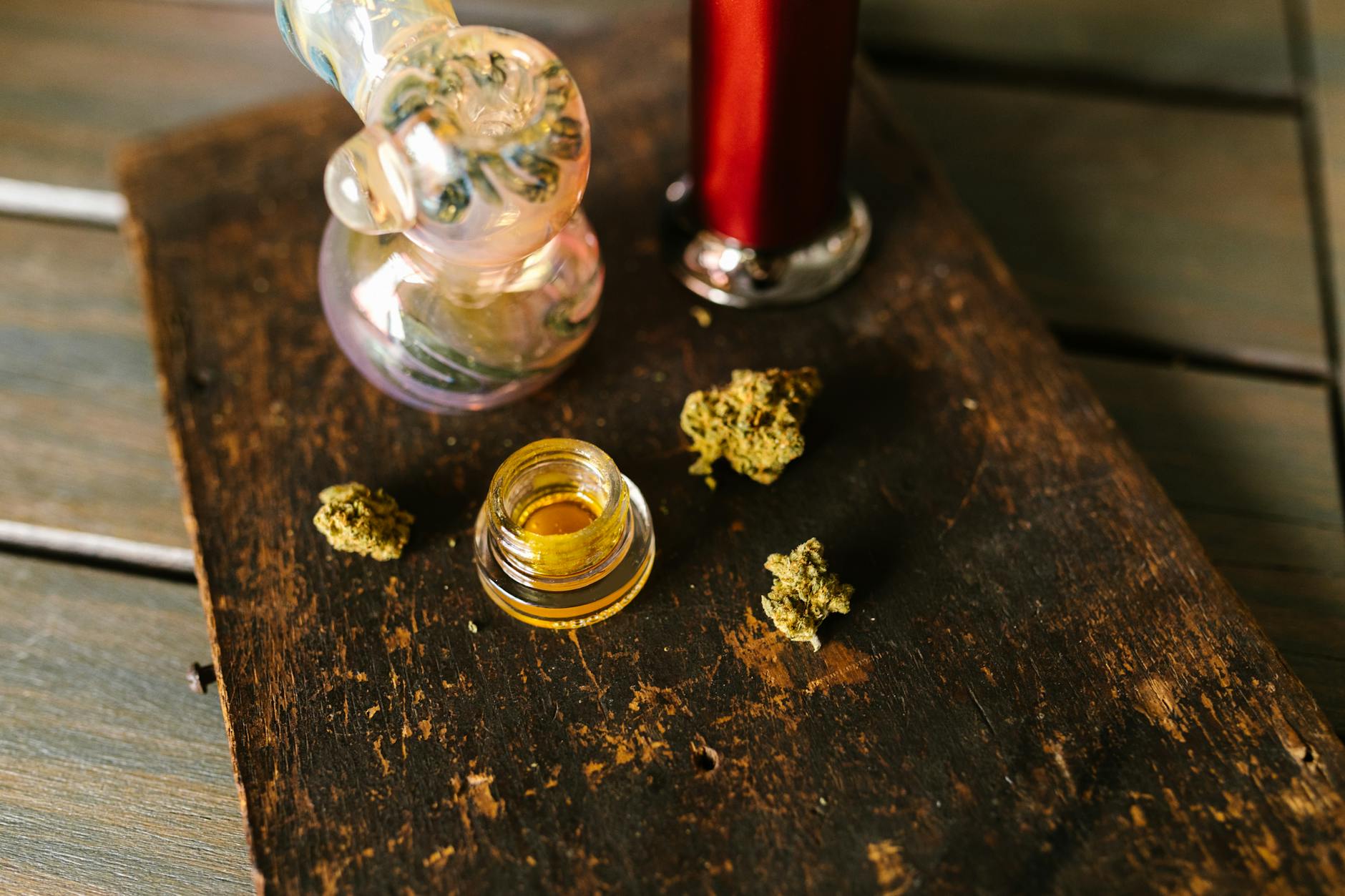
Buying shilajit resin for the first time comes down to three things: buy from a supplier who publishes a third-party lab test, expect to pay $35 to $70 for a 15g to 30g jar of genuine Himalayan resin in 2026, and start with a small jar before committing to bulk. That is the short answer. The rest of this guide walks you through what separates real shilajit from the dyed, cut, or reconstituted product that floods online marketplaces, and how to source it without wasting money.
We supply Bulk Shilajit Supplements USA across the United States to brands, retailers, and resellers, so we see the same first-timer mistakes every week. Here is what actually matters.
What Shilajit Resin Actually Is
Shilajit resin is a mineral-rich, tar-like exudate that seeps from rock crevices in high-altitude mountain ranges - primarily the Himalayas, Altai, and Caucasus - and is harvested, filtered, and sun-dried into a thick black paste. It is not a plant extract, not a mud, and not a tincture. It is a concentrated mineral complex that has been used in Ayurvedic practice for centuries and now sells in the U.S. as a dietary supplement.
Genuine resin has a distinct texture: sticky at room temperature, softening between 95°F and 104°F, and dissolving slowly in warm water or milk. If the jar you buy flows like syrup straight out of the fridge, it has been cut with a carrier. If it crumbles like dry dirt, it has been over-dried or mixed with filler.
Himalayan shilajit specifically comes from elevations above 14,000 feet in the Himalayan range. That altitude matters because the mineral profile differs from lower-elevation sources, and it is the origin most U.S. buyers ask for by name. When you buy bulk himalayan shilajit from a legitimate supplier, the origin should be stated on the Certificate of Analysis, not just on the marketing page.
Why First-Time Buyers Get Burned
First-time shilajit buyers get burned because the category has almost no enforcement at the point of sale, and the cheapest listings on Amazon and TikTok Shop are usually the most adulterated. The FDA regulates shilajit as a dietary supplement, which means the product does not need pre-market approval. That leaves purity verification entirely on the buyer.
The three most common problems we see in submitted samples:
- Filler cut - resin stretched with glucose syrup, molasses, or date paste. Looks right, tastes sweet, tests low on fulvic acid.
- Reconstituted powder - dried shilajit powder mixed back into a paste with water or glycerin. Cheaper to ship, lower mineral density.
- Heavy metal contamination - lead, arsenic, and mercury are naturally present in mountain rock. A real supplier tests for them and publishes the numbers.
You cannot taste or see the difference between a clean jar and a contaminated one. That is why the lab report is the single most important document in this purchase.
How to Read a Shilajit Resin Label
A shilajit resin label tells you almost everything you need to know if you know which four lines to look for. Most labels are designed to distract with wellness language, so ignore the front and go straight to the back.
Look for these, in this order:
- Fulvic acid percentage. Genuine Himalayan resin typically tests between 15% and 60% fulvic acid. Anything claiming 85% or higher is almost always a lab trick using a different measurement method.
- Third-party lab name. A real shilajit certificate of analysis names the lab, the batch number, and the test date. "Lab tested" with no lab named is a marketing phrase, not a test.
- Heavy metal results. Lead, arsenic, cadmium, and mercury should each be listed with a number, not a checkmark.
- Net weight in grams. Resin is sold by weight, not volume. A 30g jar is roughly a 30 to 60 day supply depending on dose.
If a seller will not send you the COA before you buy, they are not a supplier. They are a reseller with a Shopify store.
What Shilajit Resin Should Cost in 2026
Typical 2026 pricing for genuine shilajit resin in the United States runs $35 to $70 for a retail 15g to 30g jar, and $18 to $35 per gram-equivalent when you move into wholesale volumes. Anything under $20 for a 30g jar should be treated as suspect until proven otherwise.
Here is the rough breakdown we give new buyers:
- Retail single jar (15g-30g): $35-$70
- Wholesale case (10+ jars): 30%-50% off retail
- Bulk resin (500g+): $8-$18 per gram, depending on fulvic acid percentage and packaging
- Private label with custom packaging: add $1.50-$4.00 per unit
If you are sourcing for a brand, a store, or an Amazon listing, the math changes fast. We publish shilajit wholesale pricing by tier so you can see the break points before you request a quote. There is no mystery markup and no minimum-order surprises.
Resin vs. Capsules vs. Powder: Which Should You Buy First?
For a first-time personal buyer, resin is the right starting format because it is the least processed and the easiest to visually inspect. You can see the texture, smell it, and test how it dissolves. Capsules hide everything behind a gelatin shell, and powder can be cut with anything.
That said, format should follow use case:
- Personal use: start with a 15g resin jar. Lasts 3-4 weeks at a pea-sized dose.
- Retail shelf: capsules and stick packs sell faster in U.S. health stores because they are portable.
- Brand or private label: resin is the raw input; you decide the finished format.
- Amazon FBA: sealed jars with tamper bands and a QR code to the COA convert best.
If you are building a product line rather than buying for yourself, the format decision belongs with your shilajit contract manufacturing partner, not with a retail listing.
Common Mistakes First-Time Shilajit Buyers Make
The most expensive mistake first-time buyers make is ordering 500g of bulk resin before testing a 15g sample from the same supplier. Always sample first. A supplier who will not sell you a small jar is a supplier you should not wire money to.
Other mistakes we see constantly:
- Trusting a five-star review count over a lab report. Reviews are cheap; testing is not.
- Buying from a seller who ships from overseas with no U.S. return address. If the jar arrives wrong, you have no recourse.
- Ignoring the batch number. A COA without a batch number that matches your jar is worthless.
- Assuming "100% pure" on a label means anything. It is an unregulated phrase.
- Storing resin in the fridge. Cold makes it brittle and hard to dose. A cool, dark cabinet between 60°F and 75°F is correct.
One more: buyers often compare price per jar instead of price per gram of fulvic acid. A $60 jar at 40% fulvic acid is cheaper per active unit than a $30 jar at 12%. Do the math before you decide.
When to Call a Professional
Call a professional supplier the moment you are buying more than a personal-use jar, because at that point you are sourcing an ingredient, not shopping for a supplement. If you are a store owner, an Amazon seller, or a brand founder, the questions shift to batch consistency, lead times, packaging compliance, and whether your supplier can scale with you.
We handle that side of the business every day. If you need a shilajit supplier for businesses that ships from a U.S. warehouse, provides batch-matched COAs, and can hold inventory for your reorders, that is the conversation to have before you place a bulk order. Bring your target retail price and your packaging format - we will tell you what is realistic.
For buyers in the U.S. who are scaling into retail, the difference between a good supplier and a bad one usually shows up in month three, not month one. Pick the one who answers the phone in month one.
Frequently Asked Questions
How much shilajit resin should a first-time buyer order?
Start with one 15g to 30g jar. That is a 3 to 6 week supply at a pea-sized daily dose and costs $35 to $70 in 2026. Only move to bulk after you have tested the batch and confirmed the COA matches your jar.
How do I know if shilajit resin is real?
Real resin is sticky at room temperature, softens between 95°F and 104°F, dissolves slowly in warm water, and comes with a batch-matched third-party COA listing fulvic acid and heavy metals. If any of those are missing, assume it is cut.
What is a fair price for bulk Himalayan shilajit in the USA?
Bulk Himalayan shilajit in the U.S. runs $8 to $18 per gram at 500g+ volumes in 2026, depending on fulvic acid percentage and packaging. Retail jars run $35 to $70. Anything far below that range is usually cut or reconstituted.
Can I buy shilajit resin wholesale without a business license?
Most U.S. wholesale suppliers, including us, require a resale certificate or business license for wholesale pricing. Personal buyers can still order retail-size jars. If you are testing the market before registering a business, start retail and scale once you have sales data.
How should I store shilajit resin?
Keep it in a cool, dark cabinet between 60°F and 75°F, sealed tightly. Do not refrigerate it - cold makes resin brittle and hard to dose. A 30g jar stays usable for 24 months from the batch date if stored correctly.
Get Help with Bulk Shilajit Supplements USA in the United States
If you are ready to move past retail jars and source real Himalayan resin at wholesale volumes, we will walk you through samples, COAs, and pricing tiers in one call. Call Tiger Shilajit at +92 313 5806455 and tell us what you are building.
Frequently asked questions
How much shilajit resin should a first-time buyer order?
Start with one 15g to 30g jar - a 3 to 6 week supply at a pea-sized daily dose, costing $35 to $70 in 2026. Move to bulk only after testing the batch and confirming the COA matches your jar.
How do I know if shilajit resin is real?
Real resin is sticky at room temperature, softens between 95°F and 104°F, dissolves slowly in warm water, and ships with a batch-matched third-party COA listing fulvic acid and heavy metals. Missing any of those, assume it is cut.
What is a fair price for bulk Himalayan shilajit in the USA?
Bulk Himalayan shilajit in the U.S. runs $8 to $18 per gram at 500g+ volumes in 2026, depending on fulvic acid percentage and packaging. Retail jars run $35 to $70. Anything far below that range is usually cut or reconstituted.
Can I buy shilajit resin wholesale without a business license?
Most U.S. wholesale suppliers, including us, require a resale certificate or business license for wholesale pricing. Personal buyers can still order retail-size jars. If you are testing the market before registering a business, start retail and scale once you have sales data.
How should I store shilajit resin?
Keep it in a cool, dark cabinet between 60°F and 75°F, sealed tightly. Do not refrigerate it - cold makes resin brittle and hard to dose. A 30g jar stays usable for 24 months from the batch date if stored correctly.