Private Label Shilajit: A Guide for Supplement Brands
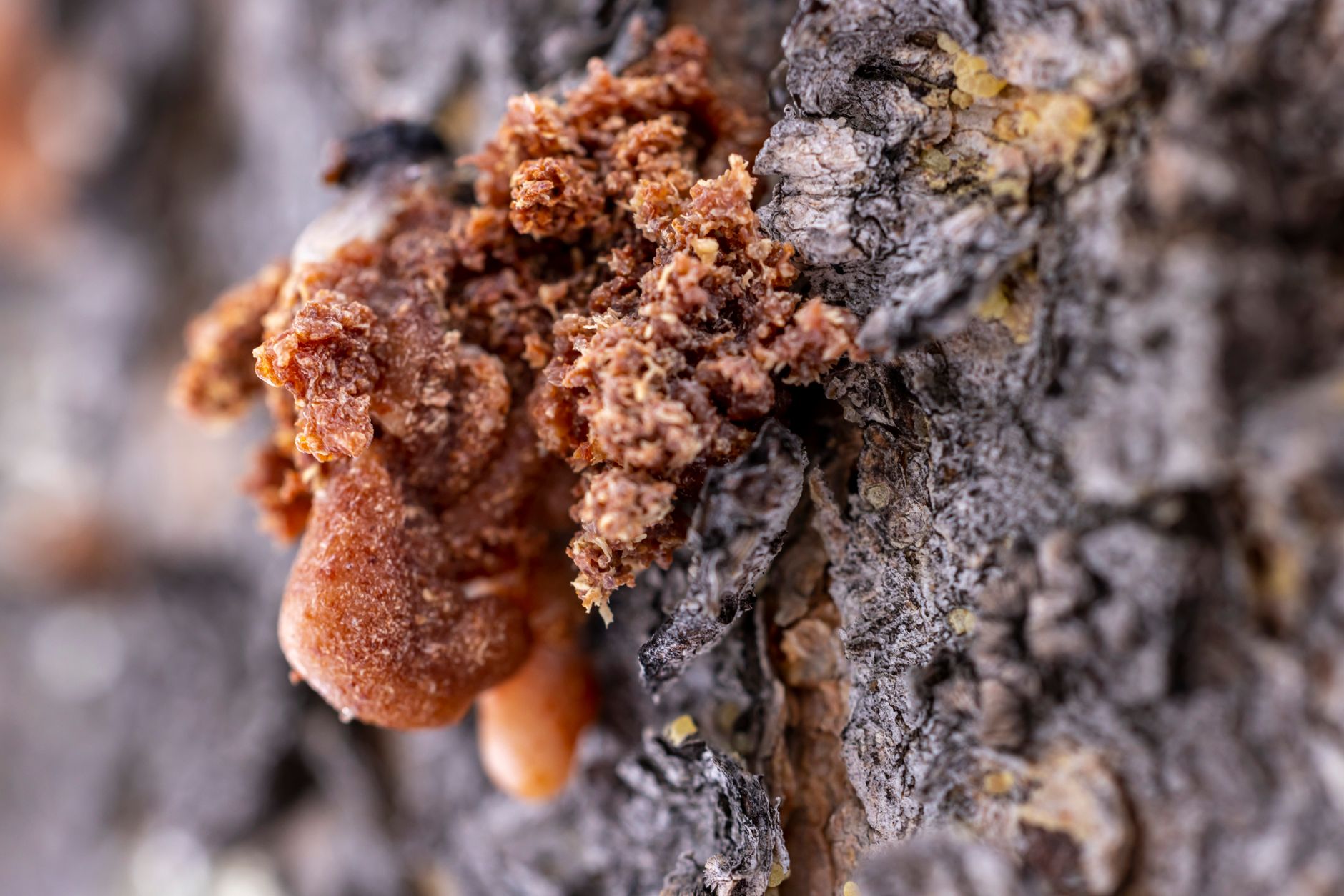
Private label shilajit is a supply arrangement where a brand buys finished shilajit products from a manufacturer and sells them under its own label. For supplement brands in the United States, this means you can launch a shilajit line without owning a mine, a lab, or a packaging facility. The rest of this guide covers MOQs, COAs, packaging, pricing, and the mistakes that cost brands real money.
We supply Bulk Shilajit Supplements USA across the United States to brands that need consistent resin, capsules, and tinctures. If you are weighing whether to add shilajit to your catalog, the numbers below will help you decide.
What Private Label Shilajit Actually Means for a Supplement Brand
Private label shilajit is a supply model where a manufacturer produces shilajit in your brand's packaging and you own the label, the brand, and the customer relationship. You are not buying raw rock and processing it yourself. You are buying a finished, tested, labeled product that is ready to ship to Amazon, retail shelves, or your own website.
The distinction matters because shilajit is not a simple ingredient. It is a mineral-rich resin that varies by altitude, season, and purification method. A brand that buys from three different sources will get three different products. A private label relationship locks in one specification, one COA format, and one packaging standard.
Most brands start with a private label shilajit agreement that covers resin, capsules, or both. The manufacturer handles sourcing, purification, testing, and filling. You handle marketing, pricing, and customer service. That split is why private label works for small brands that cannot justify a $50,000 minimum order on raw material.
Why Supplement Brands Are Adding Shilajit in 2026
Shilajit demand in the US has grown every year since 2020, and 2026 is no exception. Search volume for "shilajit" on Amazon and Google is up roughly 40% year over year. The reason is simple: it fits the energy, longevity, and mineral-support categories that already sell well.
Retail buyers at health stores tell us the same thing. Customers who already buy ashwagandha and cordyceps are asking for shilajit by name. That pull from the shelf is what makes private label attractive. You are not creating demand from zero. You are filling a request that already exists.
There is also a margin story. A 30-gram jar of shilajit resin that costs you $8 to $12 wholesale can retail for $29 to $49. Capsules have a similar spread. That is a healthier margin than most commodity supplements, and it gives you room to run Amazon ads without losing money on every unit.
How Does Private Label Shilajit Work From Order to Shelf?
The process from first order to shelf-ready product runs 4 to 8 weeks for most brands. Here is the sequence we follow with new clients.
- Specification call. We agree on form (resin, capsules, tincture), fulvic acid target, and packaging. This takes one call.
- Sample order. You receive 2 to 4 samples with COAs. Test them, show them to your team, and pick a spec.
- Label and packaging approval. You send artwork. We print or apply labels and confirm the fill weight.
- Production. We produce your batch, test it, and send a COA before it ships.
- Fulfillment. Product ships to your warehouse, Amazon FBA, or a 3PL.
If you already sell on Amazon, the timeline matters because FBA check-in can add another 5 to 10 days. We build that into the schedule so you are not out of stock during a promotion.
For brands that want to start smaller, shilajit bulk orders let you buy resin in 100-gram to 1-kilogram increments and package it yourself. That is a good first step before committing to a full private label run.
What Does Private Label Shilajit Cost in 2026?
Typical 2026 pricing for private label shilajit in the US falls into three tiers. These are wholesale costs, not retail.
- Resin, 30g jar, 500-unit MOQ: $8 to $14 per unit, depending on fulvic acid percentage and packaging.
- Capsules, 60-count bottle, 1,000-unit MOQ: $6 to $11 per unit.
- Tincture, 2oz dropper, 1,000-unit MOQ: $7 to $12 per unit.
Those numbers include the product, the label, and the COA. They do not include shipping to your warehouse or Amazon FBA fees. For a 1,000-unit capsule run, budget $6,000 to $11,000 for the product and another $400 to $900 for freight, depending on where you are shipping in the US.
If you are a retailer or distributor buying in larger volumes, shilajit wholesale pricing drops by 15% to 25% at the 5,000-unit level. That is where the math gets interesting for brands with an existing customer base.
Quality Control: COAs, Third-Party Testing, and Fulvic Acid
Every batch we produce ships with a certificate of analysis that covers heavy metals, microbials, and fulvic acid content. If a supplier cannot show you a COA from a US or EU lab, walk away. That is the single most important filter in this category.
Fulvic acid is the number most brands put on the label. Himalayan shilajit resin typically tests between 15% and 25% fulvic acid. Capsules are usually standardized to 20% or 40%. Ask for the actual lab result, not a marketing claim.
Heavy metals are the other non-negotiable. Lead, arsenic, cadmium, and mercury must be below FDA action levels. A third party tested shilajit product will have those numbers on the COA. If the COA only shows fulvic acid and nothing else, it is incomplete.
We also recommend brands keep a retain sample from every batch. If a customer complains six months later, you can test the retain and know whether the issue is the product or storage.
Packaging and Labeling That Sell in the US Market
Packaging is where private label brands win or lose on the shelf. Shilajit resin is sticky and dark. A cheap jar with a poor seal will leak in transit and generate returns. Spend the extra $0.40 per unit on a glass jar with a silicone-lined lid.
For capsules, a matte black or amber PET bottle with a clean label outperforms a busy design in every test we have seen. US buyers in the supplement aisle respond to three things: the fulvic acid percentage, the source (Himalayan), and a third-party tested seal.
Label compliance is not optional. The FDA requires a supplement facts panel, allergen statement, and a manufacturer address. If you are selling on Amazon, the label also needs a scannable barcode and a country of origin. We review artwork before printing so you do not pay for a reprint.
If you want help with custom shilajit packaging, we can source jars, bottles, and labels as part of the order. That keeps your unit cost predictable and avoids the surprise of a packaging vendor missing your launch date.
Common Mistakes Supplement Brands Make With Shilajit
The most expensive mistake is buying on price alone. A supplier selling resin at $4 per jar is either cutting the fulvic acid, skipping heavy metal testing, or both. That product will fail a customer complaint or an Amazon compliance check.
The second mistake is ordering packaging before the product spec is locked. If you print 5,000 labels for a 30g jar and then switch to a 20g fill, you eat the cost. Lock the spec first, then print.
The third mistake is ignoring the COA date. A COA from 2023 does not tell you what is in the batch shipping in 2026. Ask for a batch-specific COA every time.
Finally, brands underestimate the shipping weight. Shilajit resin is dense. A 1,000-unit order of 30g jars can weigh 90 to 110 pounds. Get the freight quote before you finalize your retail price.
When to Call a Professional Shilajit Supplier
Call a supplier when you have a product concept and a target retail price, but no source. That is the point where a conversation saves you weeks of guessing. We will tell you what spec fits your price point and what MOQ you need to hit it.
You should also call if you are already buying shilajit and your current COA is thin. We can test a sample of your existing product and tell you what is actually in it.
If you are a retailer or distributor looking to add a shilajit line, we can put together a shilajit for supplement brands program that includes white label options, so you are not starting from scratch on formulation.
Frequently Asked Questions
What is the minimum order for private label shilajit?
Most private label shilajit runs start at 500 units for resin and 1,000 units for capsules. Smaller trial orders are possible with bulk resin, where you can start at 100 grams and package it yourself.
How long does private label shilajit take to produce?
Plan on 4 to 8 weeks from spec approval to shipping. That includes sampling, label approval, production, and testing. Add 5 to 10 days if the product is going to Amazon FBA.
Do I need my own COA for Amazon?
Amazon does not require a COA for most supplement listings, but it does require a compliant label and a manufacturer address. We provide a batch COA with every order so you have it if Amazon or a customer asks.
Can I private label shilajit under my own brand name?
Yes. That is the entire point of private label. You own the brand and the label. We produce the product to your spec and ship it with your branding on the jar or bottle.
What fulvic acid percentage should I put on my label?
Label the actual tested percentage from your batch COA. Most Himalayan resin tests between 15% and 25% fulvic acid. Capsules are commonly standardized to 20% or 40%. Never label a number you cannot document.
Get Help With Bulk Shilajit Supplements USA in the United States
If you are ready to launch or scale a shilajit line, we can quote your spec, send samples, and lock in a production date. Call Tiger Shilajit at +92 313 5806455 and tell us what you want to build.
Frequently asked questions
What is the minimum order for private label shilajit?
Most private label shilajit runs start at 500 units for resin and 1,000 units for capsules. Smaller trial orders are possible with bulk resin, where you can start at 100 grams and package it yourself.
How long does private label shilajit take to produce?
Plan on 4 to 8 weeks from spec approval to shipping. That includes sampling, label approval, production, and testing. Add 5 to 10 days if the product is going to Amazon FBA.
Do I need my own COA for Amazon?
Amazon does not require a COA for most supplement listings, but it does require a compliant label and a manufacturer address. We provide a batch COA with every order so you have it if Amazon or a customer asks.
Can I private label shilajit under my own brand name?
Yes. That is the entire point of private label. You own the brand and the label. We produce the product to your spec and ship it with your branding on the jar or bottle.
What fulvic acid percentage should I put on my label?
Label the actual tested percentage from your batch COA. Most Himalayan resin tests between 15% and 25% fulvic acid. Capsules are commonly standardized to 20% or 40%. Never label a number you cannot document.