How to Choose a Bulk Shilajit Resin Supplier
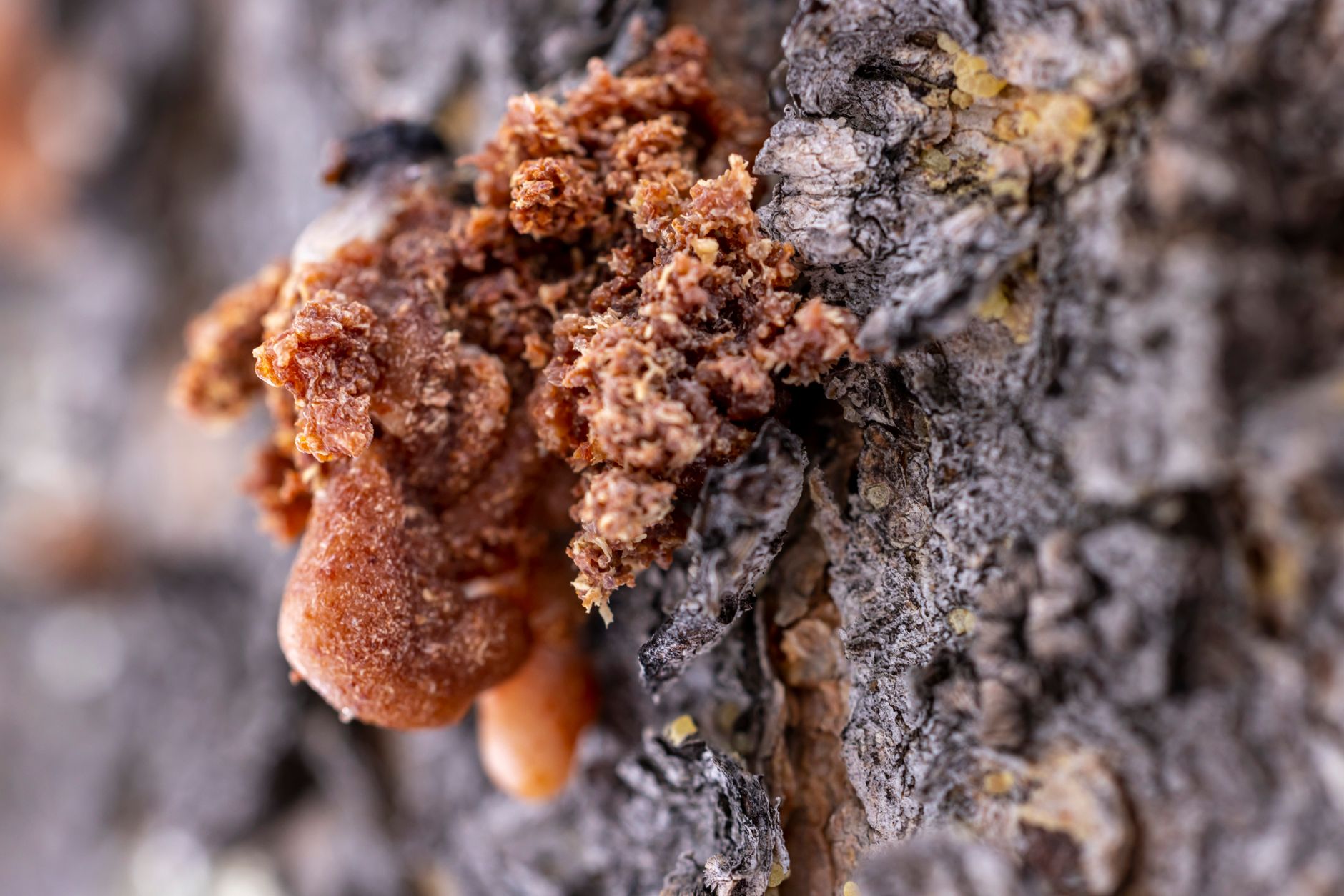
Choosing a bulk shilajit resin supplier comes down to three things: verified purity, consistent supply, and pricing that leaves room for your margin. If a supplier cannot show you a third-party lab report, a stable monthly volume, and a clear per-kilogram price, walk away. The rest of this guide breaks down exactly how to vet suppliers across the United States, what 2026 pricing looks like, and the mistakes that cost buyers thousands.
We supply Bulk Shilajit Supplements USA across the United States to brands, retailers, and distributors, so we see both sides of this market every week. Here is what actually matters when you are sourcing resin at volume.
What Makes a Bulk Shilajit Resin Supplier Worth Your Money
A bulk shilajit resin supplier is a wholesale source that sells purified shilajit resin in kilogram or multi-kilogram quantities to businesses rather than single retail jars. The good ones combine three capabilities: sourcing from high-altitude Himalayan deposits, running fulvic acid and heavy-metal testing on every lot, and holding enough inventory to fill repeat orders without a six-week gap.
Resin is the form most buyers want. It is the least processed, highest-density option, and it gives you flexibility for private label, tinctures, capsules, or bulk resale. Powder and capsules have their place, but resin is where the margin lives for most supplement brands.
Here is the short version of what separates a real bulk shilajit supplier from a broker with a website:
- Direct sourcing: They know the harvest region and can name it - Gilgit-Baltistan, Altai, or specific Himalayan ranges.
- Testing discipline: Every lot gets heavy metals, microbials, and fulvic acid percentage testing.
- Inventory depth: They hold stock in the USA or have a bonded warehouse arrangement so you are not waiting on customs.
- Documentation: COAs, MSDS, and certificates of origin come standard, not on request.
If any one of those is missing, you are not dealing with a supplier. You are dealing with a middleman who will disappear when a shipment gets stuck.
Why Does Shilajit Resin Quality Vary So Much Between Suppliers?
Shilajit quality varies because the raw material itself varies by altitude, season, and purification method - and because some suppliers cut corners by diluting resin with fillers or blending in lower-grade material. A jar labeled "100% pure shilajit" can legally contain 40% resin and 60% carrier in some markets. That is the single biggest reason two suppliers quote you $180/kg and $650/kg for what sounds like the same product.
Altitude matters more than most buyers realize. Resin harvested above 16,000 feet tends to have higher fulvic acid content and lower contamination risk. Lower-altitude material is cheaper but often needs more processing to hit the same purity spec.
Purification method is the second variable. Traditional slow-simmer purification preserves the fulvic acid and dibenzo-alpha-pyrones that make shilajit worth buying. Fast chemical extraction is cheaper and strips much of that out.
Testing is how you tell the difference. Ask for a shilajit certificate of analysis from an ISO 17025-accredited lab - not a screenshot, not a PDF with no lab letterhead. The COA should list fulvic acid percentage, heavy metals (lead, arsenic, mercury, cadmium), and microbial counts. If a supplier hesitates, that is your answer.
We see this constantly with buyers who tried a cheap source first. They get a batch that tests at 22% fulvic acid, their customers notice, and they come back to us to rebuild the product. The savings on the front end never cover the refunds and lost reviews on the back end.
What Should You Ask Before Placing a Bulk Order?
Ask five questions before you send a deposit: Where is the resin sourced? Can I see a COA for the exact lot I am buying? What is your minimum order quantity? What is the lead time for a repeat order? And what happens if a batch fails testing?
A legitimate supplier answers all five in one email. Here is what good answers look like:
- Sourcing: A named region, not "the Himalayas."
- COA: A lot-specific report from a named lab, dated within the last 12 months.
- MOQ: Typically 1 kg for resin, 5 kg for private label runs.
- Lead time: 3-7 business days for in-stock USA inventory, 3-5 weeks for custom runs.
- Failed batch policy: Replacement or refund, in writing.
If you are buying for a supplement brand, also ask about private label shilajit capabilities. A supplier who can fill, label, and ship under your brand saves you a second vendor relationship and a lot of coordination headaches.
For retailers and health stores, the question shifts to packaging. You want retail-ready jars or pouches with compliant labeling, not bulk resin you have to repackage yourself. Ask whether custom shilajit packaging is available and what the per-unit cost looks like at your volume.
Pricing, MOQs, and Lead Times in 2026
Typical 2026 pricing for verified, third-party-tested shilajit resin in the USA runs $400-$750 per kilogram at wholesale, depending on fulvic acid percentage, lot size, and whether you are buying one kilo or fifty. Resin testing above 60% fulvic acid sits at the top of that range. Standard material in the 40-50% range sits at the bottom.
Here is a rough breakdown by order size:
- 1-4 kg: $550-$750/kg
- 5-24 kg: $450-$600/kg
- 25 kg+: $400-$520/kg, often with custom packaging included
Lead times depend on whether the supplier holds USA inventory. Domestic stock ships in 3-7 business days. Direct-from-source orders take 3-5 weeks once you account for production, testing, and customs clearance. If a supplier promises 48-hour turnaround on a custom private label run, they are either sitting on pre-made stock or they are not being honest.
MOQs are usually 1 kg for bulk resin and 5 kg for private label. Some suppliers waive the MOQ on a first order to get you in the door. That is fine, but make sure the pricing on order two is not a surprise.
Payment terms matter too. Most USA suppliers want 50% deposit and 50% on shipment for first orders, then net-15 or net-30 once you have a history. If a new supplier demands 100% upfront with no COA and no references, that is not a supply relationship. That is a gamble.
Red Flags: What to Watch Out For
The most common red flag is a supplier who cannot produce a lot-specific COA within 24 hours. Generic COAs, expired reports, or PDFs with no lab name are all signs the material was never tested - or was tested once, years ago, and never again.
Other warning signs we see buyers fall for:
- Prices far below market: Anything under $300/kg for tested resin is either diluted, untested, or not actually shilajit.
- No physical USA presence: Overseas-only sellers leave you holding customs risk and no recourse if a batch fails.
- Vague sourcing: "Himalayan shilajit" with no region, no altitude, no harvest season.
- Pressure tactics: "This price is only good today" is a sales tactic, not a supply chain.
- No failed-batch policy: If they will not put replacement terms in writing, they have no intention of honoring them.
One more: watch for suppliers who sell retail jars and wholesale resin from the same unverified inventory. If the retail side has no COA, the bulk side almost certainly does not either.
We have had buyers send us resin from other suppliers to test. About one in four comes back with heavy metals above safe limits or fulvic acid below 30%. That is not a small problem when you are putting your brand name on the label.
When to Call a Professional Supplier
Call a professional supplier the moment your order volume crosses 5 kg per month, or as soon as you need private label, custom packaging, or a documented COA for retail compliance. Below that, you can get by with smaller sources. Above it, the risk of a bad batch - and the cost of a recall or a wave of refunds - outweighs any savings from a cheaper vendor.
We work with brands, retailers, and distributors across the United States who need consistent supply, tested material, and packaging that is ready for the shelf. If you are sourcing shilajit bulk orders for the first time, we will walk you through the specs, send samples, and quote you a per-kilogram price that holds for 30 days.
If you are already buying from someone else and something feels off - late shipments, missing COAs, inconsistent texture between lots - bring us a sample. We will test it and tell you exactly what you are getting. No pitch, just data.
Frequently Asked Questions
How much does bulk shilajit resin cost in the USA in 2026?
Expect $400-$750 per kilogram at wholesale in 2026, depending on fulvic acid percentage and order size. Orders above 25 kg usually land at the lower end. Anything under $300/kg for tested resin is a red flag.
What is the minimum order for wholesale shilajit?
Most USA suppliers set the MOQ at 1 kg for bulk resin and 5 kg for private label or custom packaging runs. Some waive the MOQ on a first order to let you test the material before committing to volume.
How do I verify shilajit purity before buying?
Ask for a lot-specific COA from an ISO 17025-accredited lab. It should list fulvic acid percentage, heavy metals, and microbial counts, dated within the last 12 months. If the supplier cannot produce it within 24 hours, do not buy.
What is the difference between bulk shilajit resin and powder?
Resin is the raw, purified form with the highest fulvic acid density and the most flexibility for private label. Powder is resin that has been dried and milled, which makes it easier to capsule but slightly less potent per gram.
How long does shipping take for bulk shilajit in the USA?
Domestic inventory ships in 3-7 business days. Direct-from-source orders take 3-5 weeks including production, testing, and customs clearance. Custom private label runs add another 1-2 weeks.
Get Help with Bulk Shilajit Supplements USA in the United States
If you are ready to lock in a reliable supply of tested shilajit resin, we will send samples, share COAs, and quote you a per-kilogram price that holds for 30 days. Call us at +92 313 5806455 and tell us your volume, your packaging needs, and your timeline - we will tell you exactly what we can do.
Frequently asked questions
How much does bulk shilajit resin cost in the USA in 2026?
Expect $400-$750 per kilogram at wholesale in 2026, depending on fulvic acid percentage and order size. Orders above 25 kg usually land at the lower end. Anything under $300/kg for tested resin is a red flag.
What is the minimum order for wholesale shilajit?
Most USA suppliers set the MOQ at 1 kg for bulk resin and 5 kg for private label or custom packaging runs. Some waive the MOQ on a first order to let you test the material before committing to volume.
How do I verify shilajit purity before buying?
Ask for a lot-specific COA from an ISO 17025-accredited lab. It should list fulvic acid percentage, heavy metals, and microbial counts, dated within the last 12 months. If the supplier cannot produce it within 24 hours, do not buy.
What is the difference between bulk shilajit resin and powder?
Resin is the raw, purified form with the highest fulvic acid density and the most flexibility for private label. Powder is resin that has been dried and milled, which makes it easier to capsule but slightly less potent per gram.
How long does shipping take for bulk shilajit in the USA?
Domestic inventory ships in 3-7 business days. Direct-from-source orders take 3-5 weeks including production, testing, and customs clearance. Custom private label runs add another 1-2 weeks.