How to Buy Shilajit in Bulk for Resale
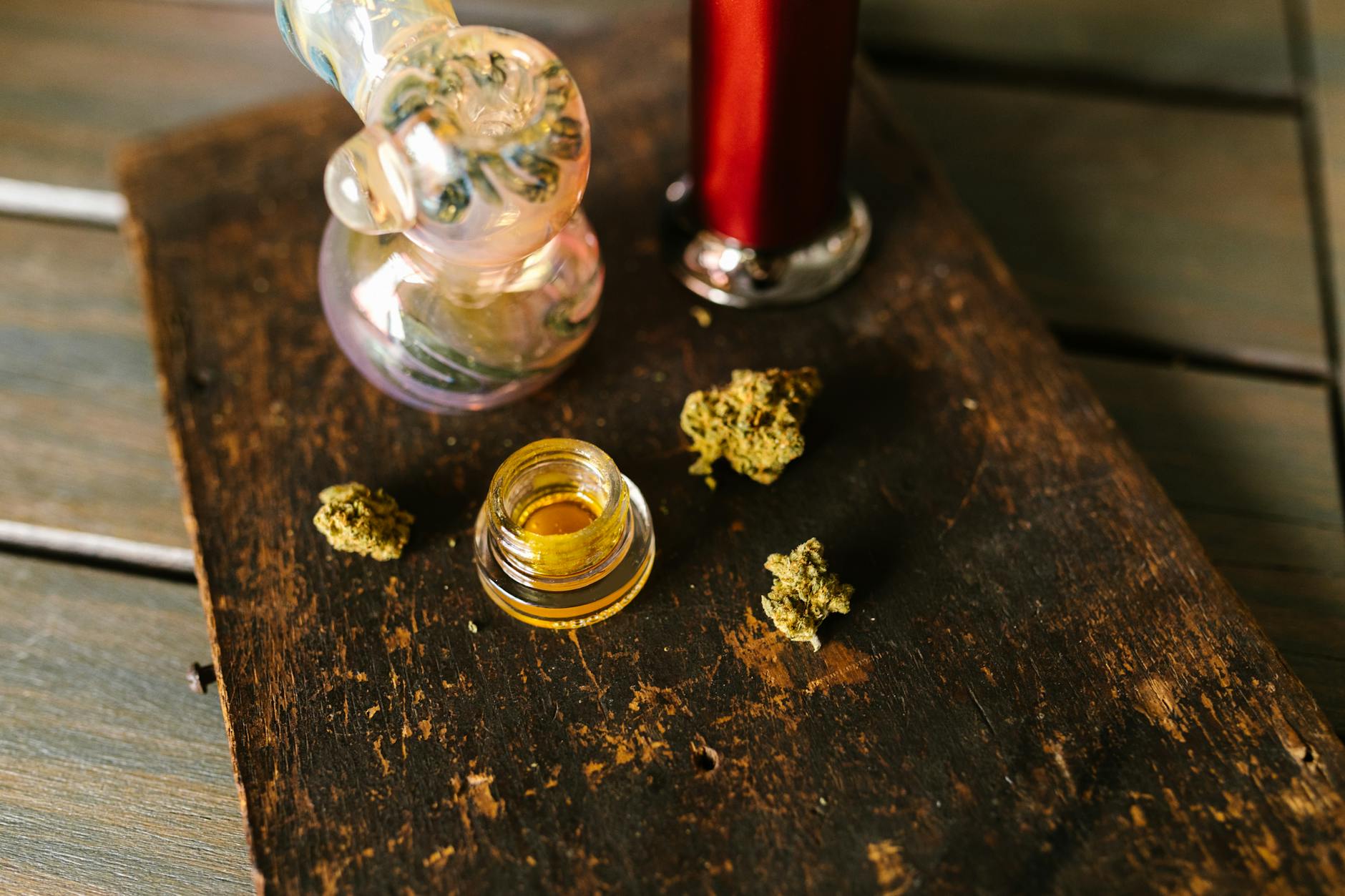
Buying shilajit in bulk for resale means ordering 500 g to 25 kg at a time from a supplier who can prove purity with a lab report, then repackaging or reselling it under your own brand at a 3x to 6x markup. The fastest path is to request a Certificate of Analysis, confirm the MOQ and lead time, and start with a 1 kg sample before committing to a full pallet. This guide covers 2026 pricing, supplier vetting, packaging, and the mistakes that cost resellers the most money.
We work with resellers across the United States, from single-person Amazon FBA operations to supplement brands moving 50 kg a month. Below is exactly how we walk them through the buying process.
What Does Buying Shilajit in Bulk for Resale Actually Involve?
Bulk shilajit for resale is a raw-ingredient purchase, not a finished-goods purchase - you are buying resin, powder, or capsules in wholesale quantities and either repackaging them under your own label or reselling them as-is. The transaction has four moving parts: product form, quantity, testing documentation, and packaging.
Product form matters more than most new resellers expect. Himalayan shilajit resin sells best in 10 g to 30 g glass jars for the direct-to-consumer market. Purified powder moves faster for capsule fillers and pre-workout blends. Capsules are the easiest to resell on Amazon because they ship light and don't leak.
Quantity is where the real math happens. A 1 kg jar of resin yields roughly 100 retail jars at 10 g each. If you sell those at $34.99, you're looking at about $3,500 in gross revenue from a single kilo - before packaging, labels, and Amazon fees. That's the spread that makes this category worth entering.
Testing documentation is non-negotiable. Any serious bulk shilajit supplier will hand you a Certificate of Analysis from a third-party lab showing heavy metals, microbials, and fulvic acid content. If they hesitate, walk away.
Packaging is the fourth piece. You can buy bulk resin in food-grade drums and repackage it yourself, or you can order it pre-filled into your own branded jars. We handle both.
How Much Does Bulk Shilajit Cost in the USA in 2026?
Typical 2026 pricing for bulk shilajit in the United States runs $180 to $420 per kilogram for resin, $140 to $310 per kilogram for purified powder, and $0.28 to $0.65 per capsule at 500 mg when you order 5,000 units or more. The spread depends on fulvic acid percentage, lab verification, and whether you're buying in 1 kg or 25 kg increments.
Here's a realistic breakdown for a mid-tier order:
- 1 kg Himalayan resin: $220-$340
- 5 kg Himalayan resin: $180-$280 per kg
- 25 kg Himalayan resin: $150-$240 per kg
- 500 mg capsules (5,000 count): $1,400-$3,250
- Private label setup fee: $250-$900 one-time
- Custom jar + label printing: $0.85-$2.40 per unit at 500 units
Freight inside the continental US adds $40 to $180 depending on weight and whether you need cold-chain handling. Himalayan resin is shelf-stable at room temperature, so cold-chain is rarely required unless you're storing it above 85°F for months.
If you're sourcing for a supplement brand, expect to pay 10% to 20% more for resin with fulvic acid verified above 60%. That premium is worth it - customers who buy shilajit twice check the COA number on the jar.
For a full breakdown of tiered rates, see our shilajit wholesale pricing page, which lists current 2026 numbers by quantity.
How to Vet a Bulk Shilajit Supplier Before You Pay
Vetting a bulk shilajit supplier comes down to three documents and one phone call: a Certificate of Analysis, a business registration, and a reference from an existing US reseller. If a supplier can't produce all three within 48 hours, keep looking.
Start with the Certificate of Analysis
The COA should be dated within the last 12 months and issued by an ISO 17025-accredited lab. Look for heavy metals (lead, arsenic, mercury, cadmium) below FDA action levels, total plate count under 10,000 CFU/g, and yeast/mold under 100 CFU/g. Fulvic acid percentage should be stated - anything above 55% is solid for retail.
We publish a fresh shilajit certificate of analysis for every batch we ship, and we'll send it before you place the order.
Check the source and processing method
Authentic Himalayan shilajit comes from rock crevices at 16,000 to 18,000 feet in the Himalayan range. Suppliers who won't name the region are usually blending product from multiple sources. Ask how the resin is purified - traditional water extraction is slower but preserves the fulvic acid and dibenzo-α-pyrones that make shilajit work.
Ask for a US reseller reference
Any established shilajit distributor usa will have at least a handful of US-based customers willing to take a five-minute call. Ask what their reorder rate is and how the supplier handles a bad batch. The answer tells you more than any brochure.
MOQs, Lead Times, and Payment Terms
Minimum order quantities for bulk shilajit typically start at 1 kg for resin and powder, and 2,500 units for capsules. Some suppliers push MOQs to 5 kg or 10,000 capsules - that's fine if you already have distribution, painful if you're testing the market.
Lead times in 2026 look like this:
- Sample order (100 g-500 g): 3-7 days
- Standard bulk order (1-5 kg): 7-14 days
- Private label run (500-2,000 units): 3-5 weeks
- Full container (25 kg+): 6-9 weeks
Payment terms vary. New resellers usually pay 50% deposit and 50% on shipment. Once you've placed three orders, most suppliers will move you to net-15 or net-30. We offer net-30 to US resellers after the third reorder.
Watch for suppliers who demand 100% upfront on a first order. That's a red flag, not a policy.
Private Label, White Label, and Custom Packaging
Private label shilajit means the product is manufactured and packaged under your brand name - you own the label, the jar, and the customer relationship. White label means you resell the supplier's existing product with your sticker on it. Both work; they serve different stages of a business.
If you're launching a brand, go private label. Expect $250 to $900 in one-time setup for label design and dieline work, plus $0.85 to $2.40 per unit for jars, lids, and printing at 500-unit runs. The break-even on a private label run usually lands around 180 to 250 units sold.
If you're testing demand on Amazon or a Shopify store, white label is faster. You can be live in 10 days with 200 units and $1,200 in inventory.
We handle both through our private label shilajit program, including label compliance review for US supplement regulations. That last part matters - the FDA will pull a listing if your supplement facts panel is wrong, and Amazon will suspend the ASIN within 48 hours of a complaint.
For resellers who want to control the whole stack, we also offer shilajit contract manufacturing - you bring the formula and the brand, we handle sourcing, filling, and fulfillment.
Common Mistakes Resellers Make
The mistakes that cost resellers the most money are almost always about skipping verification or underestimating packaging costs. Here are the ones we see most often.
- Buying without a COA. A $200 saved on a cheap kilo becomes a $4,000 loss when Amazon pulls your listing for heavy metals.
- Underestimating label compliance. Supplement facts panels, allergen statements, and country-of-origin labeling are not optional. Budget $150 to $400 for a compliance review.
- Ordering 25 kg before selling 1 kg. Start with 1 kg, sell it out, then scale. Cash flow kills more resellers than competition does.
- Ignoring storage. Shilajit resin stays stable between 60°F and 80°F. A hot garage in Phoenix in July will degrade it.
- Pricing too low. If you're selling 10 g jars at $19.99, you're competing with counterfeit product. Price at $29.99 to $44.99 and let the COA justify it.
- Not tracking lot numbers. When a customer emails about a batch, you need to trace it back to the supplier's lot in under 10 minutes.
One more: don't buy from a supplier who ships from a residential address. That's a drop-shipper, not a manufacturer. You'll get inconsistent product and no recourse when something goes wrong.
When to Call a Professional
Call a professional supplier the moment you're planning more than a test order - usually above 1 kg or 500 capsules. At that volume, the difference between a good and bad supplier shows up in your reorder rate, your Amazon reviews, and your legal exposure.
We handle sourcing, testing, private label, and US fulfillment for resellers at every stage. If you're weighing a 5 kg order or launching a branded line, our team can walk you through the numbers and send samples before you commit. Start with a conversation, not a purchase order.
Frequently Asked Questions
What is the minimum order for bulk shilajit?
Most US suppliers start at 1 kg for resin or powder and 2,500 units for capsules. Some go as low as 500 g for sample orders. Below 1 kg, you're usually paying retail-plus pricing, not wholesale.
How much profit can I make reselling shilajit?
Typical margins run 3x to 6x on resin repackaged into 10 g jars. A $220 kilo becomes roughly 100 jars selling at $34.99 - about $3,500 in gross revenue before packaging, fees, and shipping.
Do I need an FDA license to resell shilajit?
You don't need an FDA license to sell shilajit as a dietary supplement, but you do need to comply with FDA labeling rules and register your facility if you repackage. Most resellers work with a contract manufacturer to stay compliant.
How long does bulk shilajit last?
Resin stays stable for 3 to 5 years when stored between 60°F and 80°F in a sealed glass or food-grade container. Powder lasts 2 to 3 years. Capsules follow the shortest ingredient date, usually 18 to 24 months.
Can I sell shilajit on Amazon?
Yes, and it's one of the largest channels for the category. You'll need a COA on file, compliant labeling, and a GTIN for each ASIN. Amazon's supplement category requires additional documentation if you're a new seller.
Get Help with Bulk Shilajit Supplements USA in the United States
We supply resellers, brands, and retailers across the United States with tested Himalayan shilajit, private label support, and 2026 wholesale pricing. If you're ready to place a first order or want a sample before you commit, call us at +92 313 5806455 and we'll walk you through it.
Frequently asked questions
What is the minimum order for bulk shilajit?
Most US suppliers start at 1 kg for resin or powder and 2,500 units for capsules. Some go as low as 500 g for sample orders. Below 1 kg, you're usually paying retail-plus pricing, not wholesale.
How much profit can I make reselling shilajit?
Typical margins run 3x to 6x on resin repackaged into 10 g jars. A $220 kilo becomes roughly 100 jars selling at $34.99 - about $3,500 in gross revenue before packaging, fees, and shipping.
Do I need an FDA license to resell shilajit?
You don't need an FDA license to sell shilajit as a dietary supplement, but you do need to comply with FDA labeling rules and register your facility if you repackage. Most resellers work with a contract manufacturer to stay compliant.
How long does bulk shilajit last?
Resin stays stable for 3 to 5 years when stored between 60°F and 80°F in a sealed glass or food-grade container. Powder lasts 2 to 3 years. Capsules follow the shortest ingredient date, usually 18 to 24 months.
Can I sell shilajit on Amazon?
Yes, and it's one of the largest channels for the category. You'll need a COA on file, compliant labeling, and a GTIN for each ASIN. Amazon's supplement category requires additional documentation if you're a new seller.